
Fast Thermocouple: Why Molten Steel Temperature Measurement Takes Only 3 Seconds?
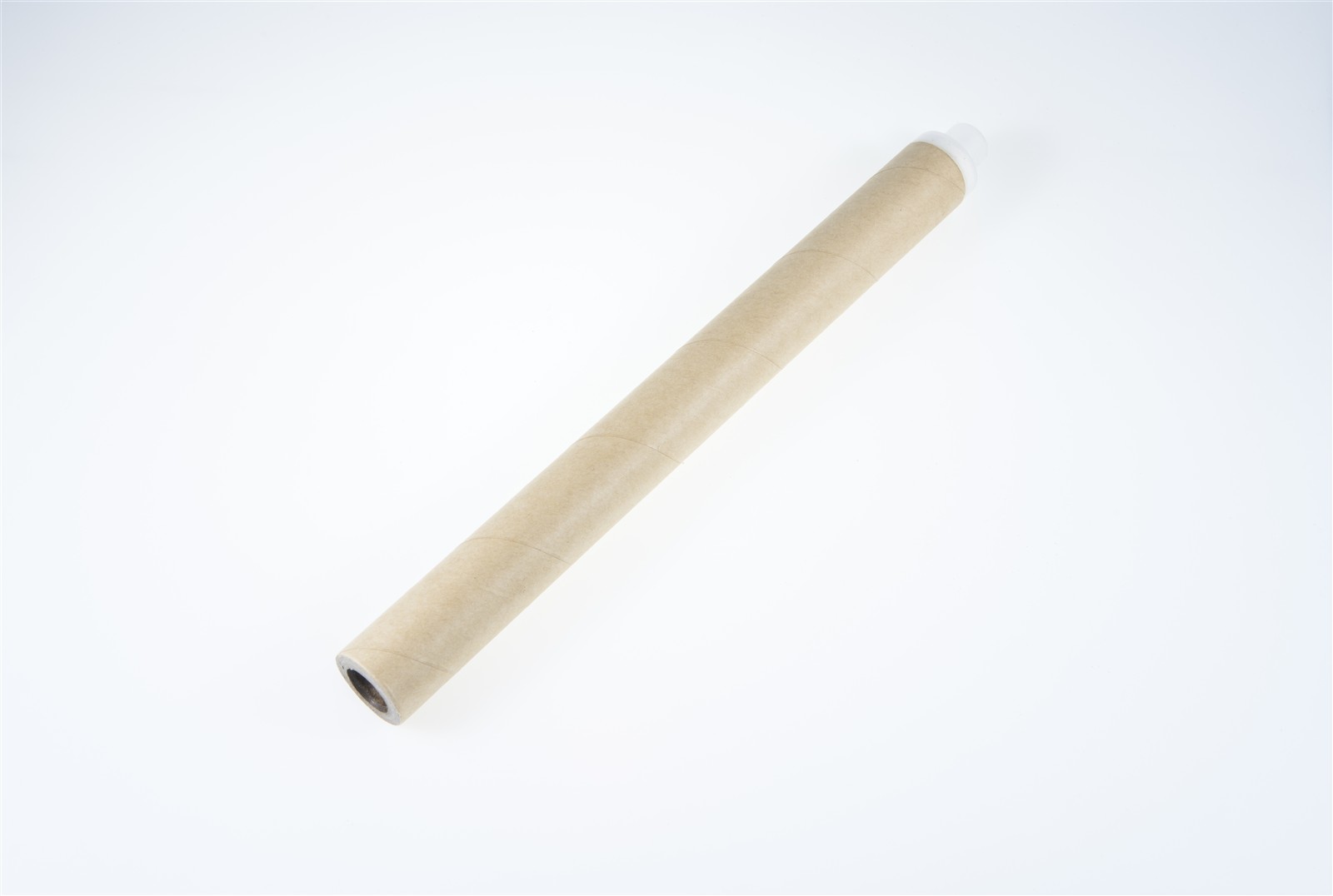
At the steelmaking furnace, a lance inserted into molten steel shows a temperature number on screen in just 3 seconds — behind this is the precise cooperation of a fast thermocouple. Many wonder: why so fast? Is it accurate? This article breaks down the working principle of fast thermocouples.
Thermoelectric EMF: The Physical Basis
All thermocouples work on the thermoelectric effect: when two dissimilar metals form a closed loop with two junctions at different temperatures, a thermoelectric EMF is generated. The greater the temperature difference, the larger the EMF — the temperature value is derived from this millivolt-level voltage.
Common platinum-rhodium thermocouples (Type S/R/B) can measure up to 1600°C and above, specifically for high-temperature melts like molten steel and iron. Type S (PtRh10-Pt) is the most common at furnace side, with accuracy up to ±1°C.
Fast Disposable Head: The Key
The biggest difference between fast thermocouples and ordinary ones is the disposable measuring head. It encapsulates a micro Pt-Rh wire junction inside, with a protective cap, quartz tube and plastic plug. Insert the head into the lance, dip into molten steel — the steel melts the cap, the junction reaches thermal balance in milliseconds, and the meter reads the temperature.
Why so fast? Because the junction is extremely thin (0.1~0.5mm), with minimal heat capacity, it reaches thermal equilibrium instantly. The whole process takes only 2~5 seconds.
Why Disposable?
Molten steel is 1500~1700°C and corrosive with slag and oxides. Reusable thermocouples would be damaged after a few dips. Disposable heads are cheap, fast to replace, and consistent — every measurement uses a brand-new junction with no aging or drift.
A fast thermocouple head costs only a few dozen yuan, but it ensures precise temperature control for every heat. Too hot wastes energy and shortens furnace life; too cold causes casting defects or breakout. For continuous casting, a ±5°C deviation can affect product quality.
What Affects Accuracy?
1. Immersion depth: must be 300~500mm deep in steel, not just in slag.
2. Insertion speed: too slow causes heat loss in air; too fast impacts the probe.
3. Head quality: Pt-Rh wire purity, weld quality, quartz tube sealing — quality heads can differ from cheap ones by 5~10°C.
4. Compensation cable: must match the thermocouple type, otherwise introduces additional error.
Summary
Fast thermocouples achieve "3-second measurement" by trading a micro junction and disposability for speed and accuracy. For furnace operators, choosing quality heads and following proper procedure ensures reliable measurements — the foundation for subsequent composition adjustment and casting speed control.