
Continuous Temperature Measurement: Why Is tundish Temperature Monitored 24/7?
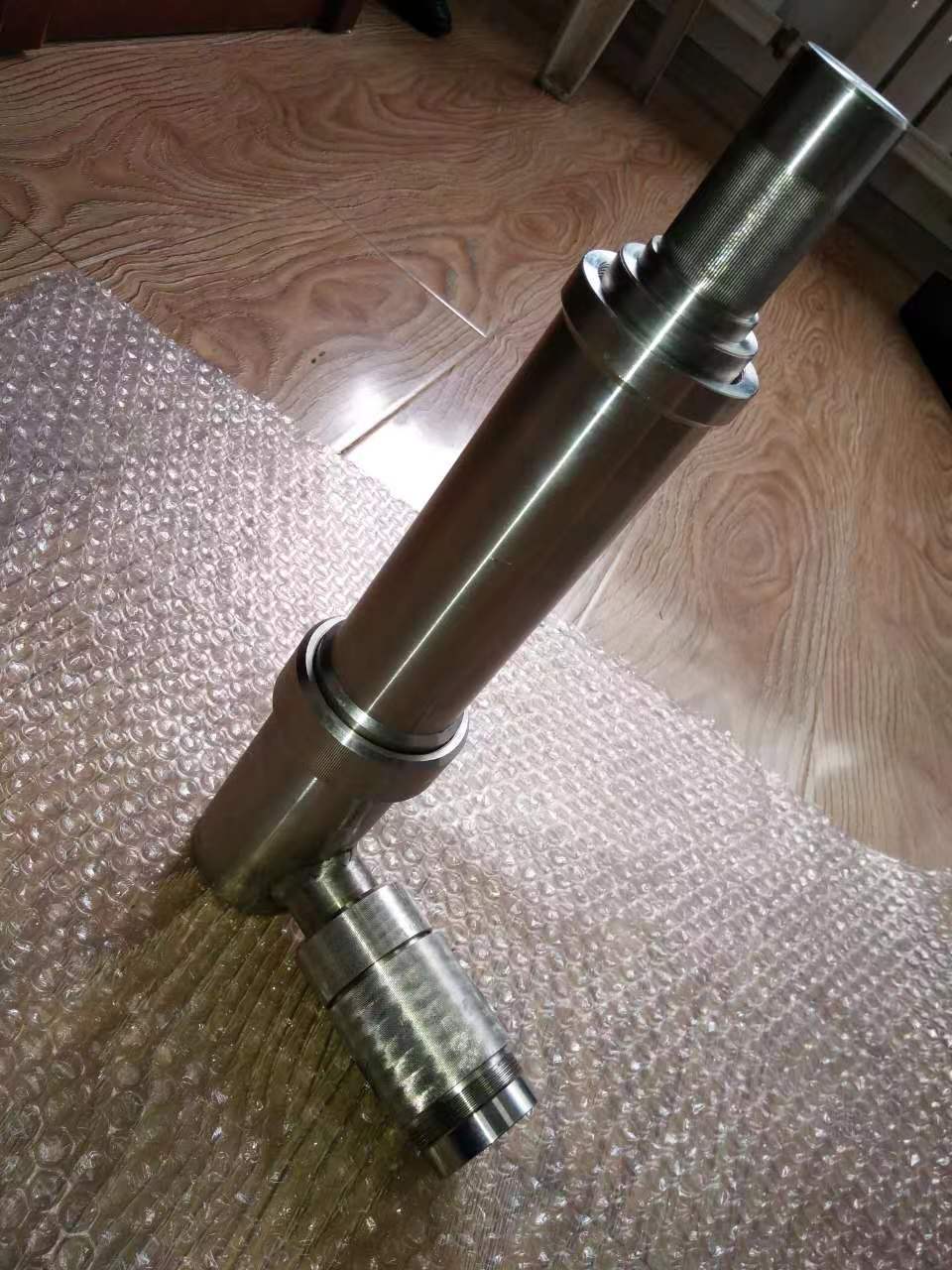
In continuous casting, the tundish is the "transfer station" between ladle and mold. Its temperature control directly determines slab quality and cast length. Why must tundish temperature be monitored continuously 24/7 instead of periodically like in the converter?
Why Is Tundish Temperature So Critical?
Tundish temperature has a cascading effect on continuous casting:
Too hot: thin solidified shell → breakout risk; high superheat → center segregation; faster refractory erosion → shorter tundish life.
Too cold: sluggish flow → nozzle clogging, skull formation; risk of casting interruption.
Ideal tundish superheat (steel temperature minus liquidus) is typically 15~30°C — a very narrow window. A 5°C deviation can have noticeable effects on final product quality.
Pain Points of Manual Measurement
Traditionally, operators measure tundish temperature every 20~30 minutes with a fast thermocouple. This has several problems:
1. Long intervals: temperature can fluctuate 10~20°C within 20 minutes — by the time you find out, several heats have been cast.
2. Labor cost: someone must go to the hot tundish platform every heat, in a harsh high-temperature environment.
3. Discrete data: only isolated points — no trend visibility, no early warning.
4. Safety risk: manual operation in high-temperature areas carries burn and fall hazards.
How Does Continuous Measurement Help?
A continuous measurement system uses a probe that can stay immersed in steel for long hours — usually blackbody cavity type or Pt-Rh thermocouple type, protected by a ceramic/metal sheath, working for dozens to hundreds of hours in the tundish.
Compared to manual measurement:
Real-time continuous: temperature is measured every second, with continuous output on screen showing the live curve.
Trend prediction: continuous curves show whether temperature is rising or falling, allowing early adjustment of ladle superheat or casting speed.
Unmanned operation: the probe stays in the tundish — operators no longer need repeated dips, reducing high-temperature labor.
Data logging: all temperature data is automatically recorded, traceable for quality analysis.
How Long Does a Probe Last?
This is the most common question. Different technologies have different lifetimes:
Blackbody cavity IR type: measures steel radiation temperature without direct contact — longer life but affected by protective tube condition.
Pt-Rh thermocouple type: direct contact, more direct measurement, but sheath wears faster. With advanced ceramic composite forming, lifespan can reach dozens of hours across multiple casts.
Either way, the goal is "install once, use a whole cast or more," minimizing manual temperature measurement.
Summary
The tundish is the "heart" of continuous casting; temperature is its heartbeat. 24/7 continuous measurement isn't about looking high-tech — it's because the tundish temperature window is so narrow and fluctuations so impactful. Discrete manual measurement can no longer meet high-end slab quality requirements. Continuous measurement turns "finding out after the fact" into "seeing in real time and predicting ahead" — that's its value.