
Why Must Platinum-Rhodium Thermocouples Be Used for Molten Steel?
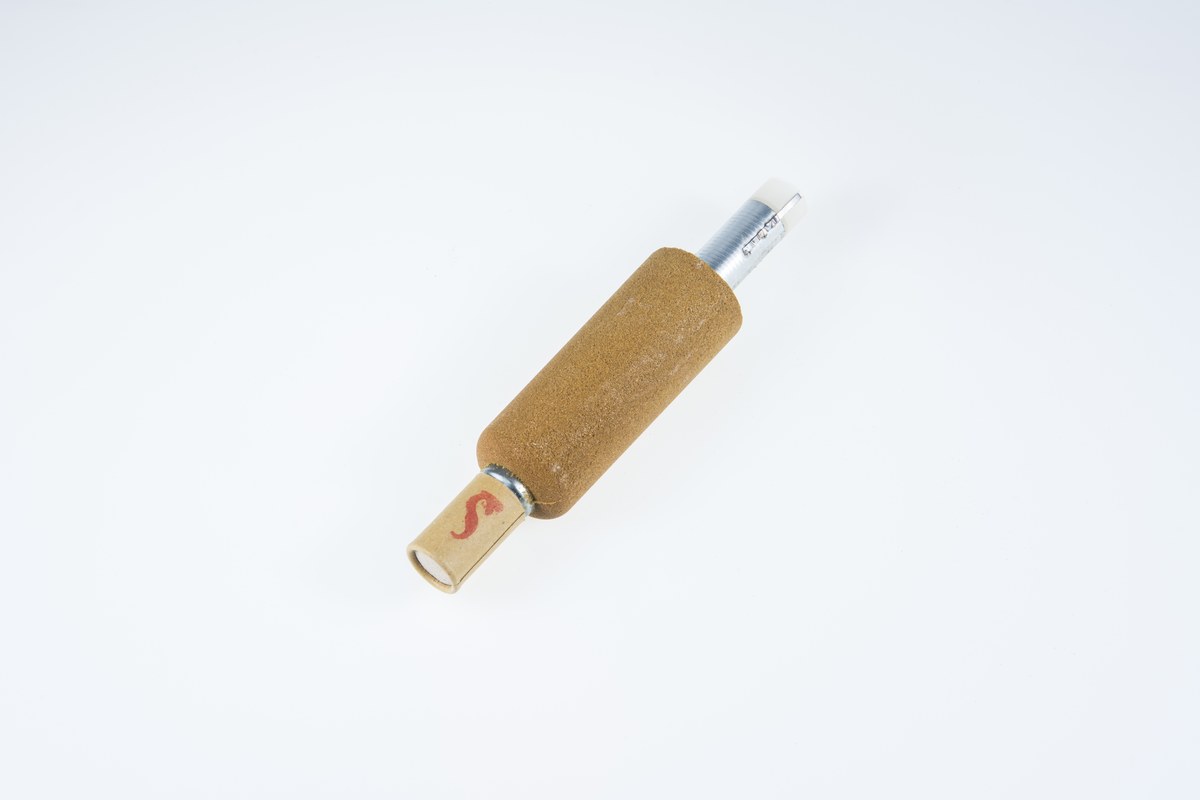
Walk into any steel plant or foundry furnace front and you'll see the same temperature tool: platinum-rhodium thermocouples. IR guns and optical pyrometers are popular elsewhere — why do they step aside at molten steel?
How Hot Is Molten Steel?
Ordinary steel is 1500~1700°C; cast iron 1300~1450°C. This immediately eliminates many tools: K/E type thermocouples top out at 1300°C, and IR guns suffer from fume, slag and emissivity interference at the steel surface.
Platinum-rhodium thermocouples (S/R/B types) work from 0~1600°C (S/R) to 0~1800°C (B), exactly covering molten steel. That's reason one for industry-standard status.
Advantages
1. High accuracy: Type S tolerance to ±1.5°C at 1600°C. A ±5°C deviation already affects alloy additions and casting quality.
2. Corrosion resistance: Pt-Rh alloys resist oxidation and corrosion in hot steel and slag.
3. Fast response: wire diameters down to 0.1~0.5mm mean low heat capacity — thermal equilibrium in 2~5 seconds.
4. Mature standards: IEC 60584 / GB/T 16839 — meters, cables and calibration all standardized.
Why Not IR?
IR has fatal flaws: slag layer blocks the real steel temperature, emissivity varies with composition, and fume absorbs the signal. IR is only used for auxiliary judgment (e.g., ladle shell temperature). Process control relies on immersed thermocouples.
Summary
Pt-Rh thermocouples dominate molten steel measurement through range coverage, accuracy, corrosion resistance and mature standards — four winning cards.