
Why Is Tapping Temperature Higher Than Casting Temperature? Superheat Explained
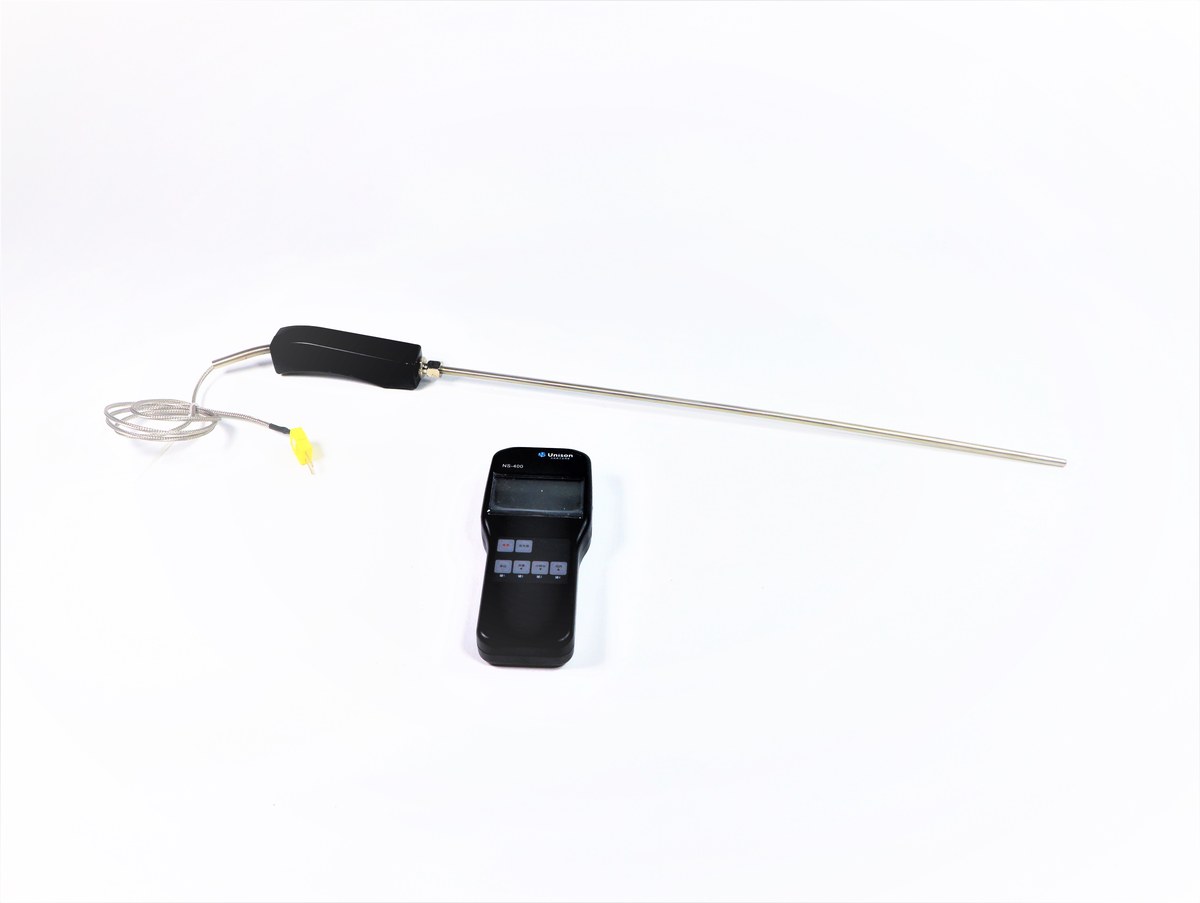
A common scene: tapping temperature is 1580~1650°C, but at the caster mold the steel is 1520~1560°C. The difference is "superheat."
What Is Superheat?
Strictly: actual steel temperature − liquidus temperature of the grade. If liquidus is 1515°C and steel is 1545°C, superheat is 30°C. Below liquidus, steel starts to solidify.
Why Higher at Tapping?
Because steel loses heat all the way: ladle refractory absorption, surface radiation, refining losses, tundish and shroud cooling. If tapping temperature equaled casting temperature, steel would solidify in the tundish before casting. Tapping must reserve a cooling allowance.
The Superheat Sweet Spot
Too high (>50°C): thin shell → breakout risk; center segregation; refractory erosion. Breakout risk rises significantly every 10°C.
Too low (<10°C): poor fluidity, nozzle clogging, inclusions don't float out.
Ideal: 15~30°C depending on grade and section.
Accurate Control
Measure tapping temperature (decide reheating or cooling), post-refining temperature (decide ladle release), and continuous tundish temperature (monitor cooling trend). Every reading matters.
Summary
Tapping hotter than casting gives the steel room to cool in transit; superheat quantifies that room. Accurate temperature measurement at each stage is the foundation of superheat control.