
BOF Steelmaking: How Is One Heat Made?
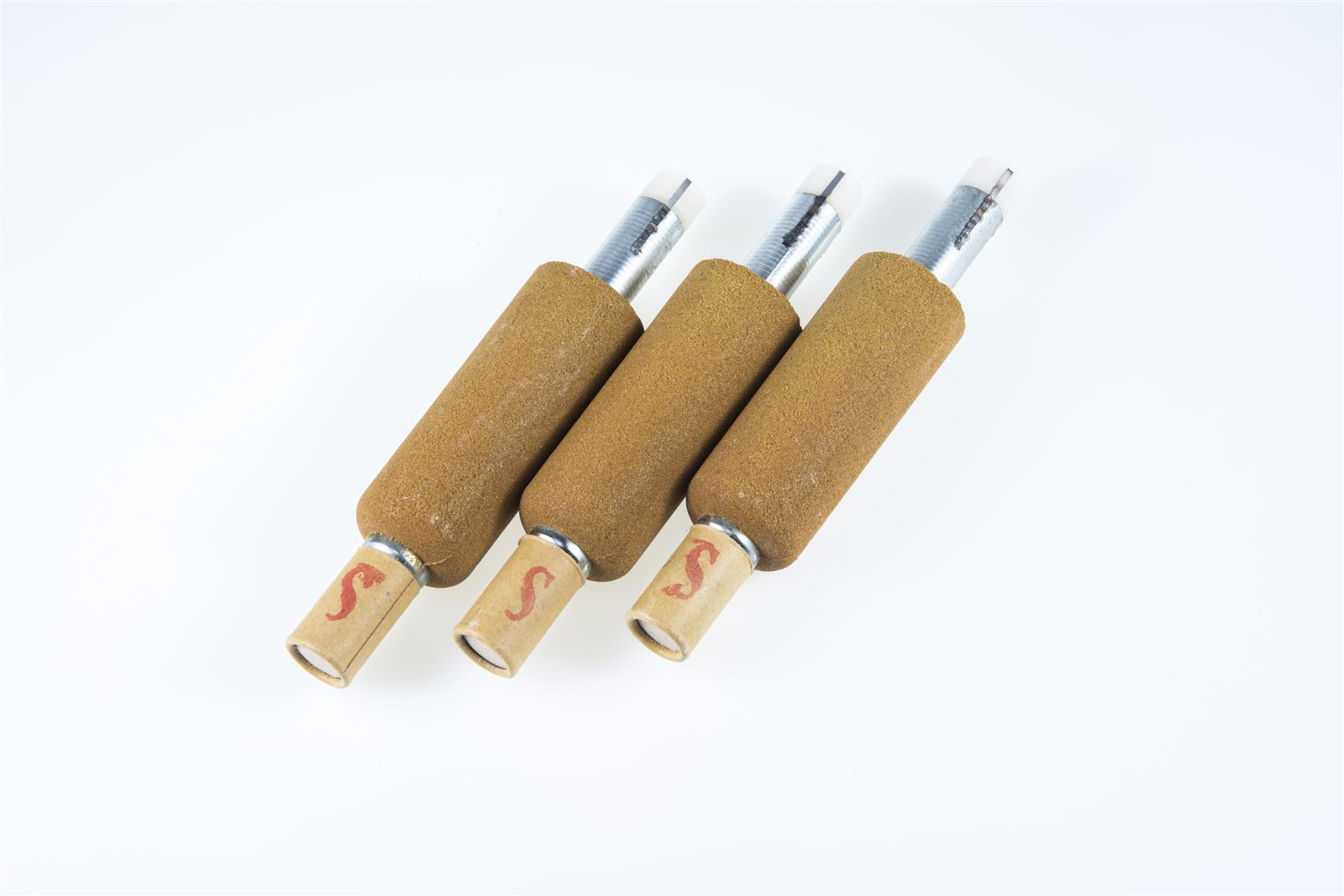
About 70% of world crude steel comes from converters (BOF). One heat takes just 30~40 minutes — faster than EAF. The secret is oxygen.
Principle: Top-Blown Oxygen
The converter is a tilting pear-shaped vessel with porous bottom bricks for Ar/N2 stirring. High-purity oxygen (>99.5%) is blown from a top lance; it oxidizes carbon, silicon, manganese and phosphorus in hot metal, releasing enormous heat.
That reaction heat alone heats the steel to 1600°C+ — no extra fuel needed. That's why it's fast and energy-efficient.
Standard Heat Sequence
1. Charging: scrap (coolant, 10~20%) then hot metal.
2. Blowing: oxygen blowing plus lime slag. Three phases: de-Si/de-Mn early, de-C middle, de-C + heating late. 12~18 minutes, from ~1300°C to ~1600°C.
3. Endpoint judgment: sublance measures temperature and oxygen activity to estimate carbon (e.g., 0.05~0.1%). Critical for endpoint control.
4. Tapping: tilt, tap into ladle, add alloys (FeSi, FeMn) and strong deoxidizer (Al).
5. Slag splashing: splash high-FeO slag on lining with nitrogen to extend campaign life to 10~20k heats.
Why Temperature Matters
Temperature climbs fast during blowing; endpoint temperature dictates refining and casting plans. Endpoint temperature/oxygen measurement is done nearly every heat — accuracy directly affects alloy cost and composition hit rate.
Summary
BOF speed comes from oxygen's self-heating; stability comes from precise endpoint judgment — the two eyes of which are temperature and composition, both relying on furnace-front measurement and sampling.