
EAF Steelmaking: How Does an Electric Arc Furnace Work?
The EAF is the core of mini-mill steelmaking. Its raw material is scrap — tons of rebar, old plate and trimmings melted and refined, 40~60 minutes per heat. That's the "urban mining" loop.
How Does the Arc Melt Scrap?
Three graphite electrodes form arcs of 3000~6000°C against the scrap, radiating heat to melt it. Electrodes auto-adjust height hydraulically. The vessel is cylindrical, tilts for tapping, with a door for charging, sampling and temperature.
Heat Sequence
1. Charging: lid swings away; basket charges scrap in 2~3 batches. Scrap quality (rust, oil) drives difficulty.
2. Melting: arc melts scrap — most power-hungry phase (~60% of energy). Oxygen lancing can assist.
3. Refining: lime slag, oxygen decarburization/dephosphorization, heat to ~1600°C. Frequent temperature/sampling with fast thermocouples.
4. Tapping: tilt and tap (EBT reduces slag carryover), alloy and deoxidize in the ladle.
EAF Measurement Characteristics
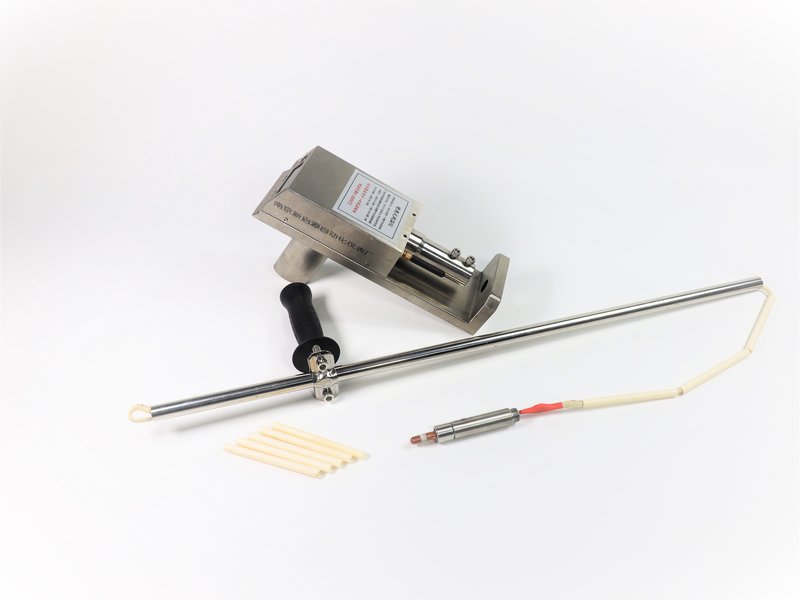
Batch operation with big temperature swings; frequent endpoint measurements via furnace door with portable meters and disposable thermocouples — dozens of readings per day. High wear on lances near the door: regular tip replacement needed.
Summary
The EAF replaces oxygen with electricity and hot metal with scrap — flexible, clean, controllable. Every heat's quality still rests on accurate furnace-front temperature and sampling.