
Inoculation: The Performance Switch of Cast Iron
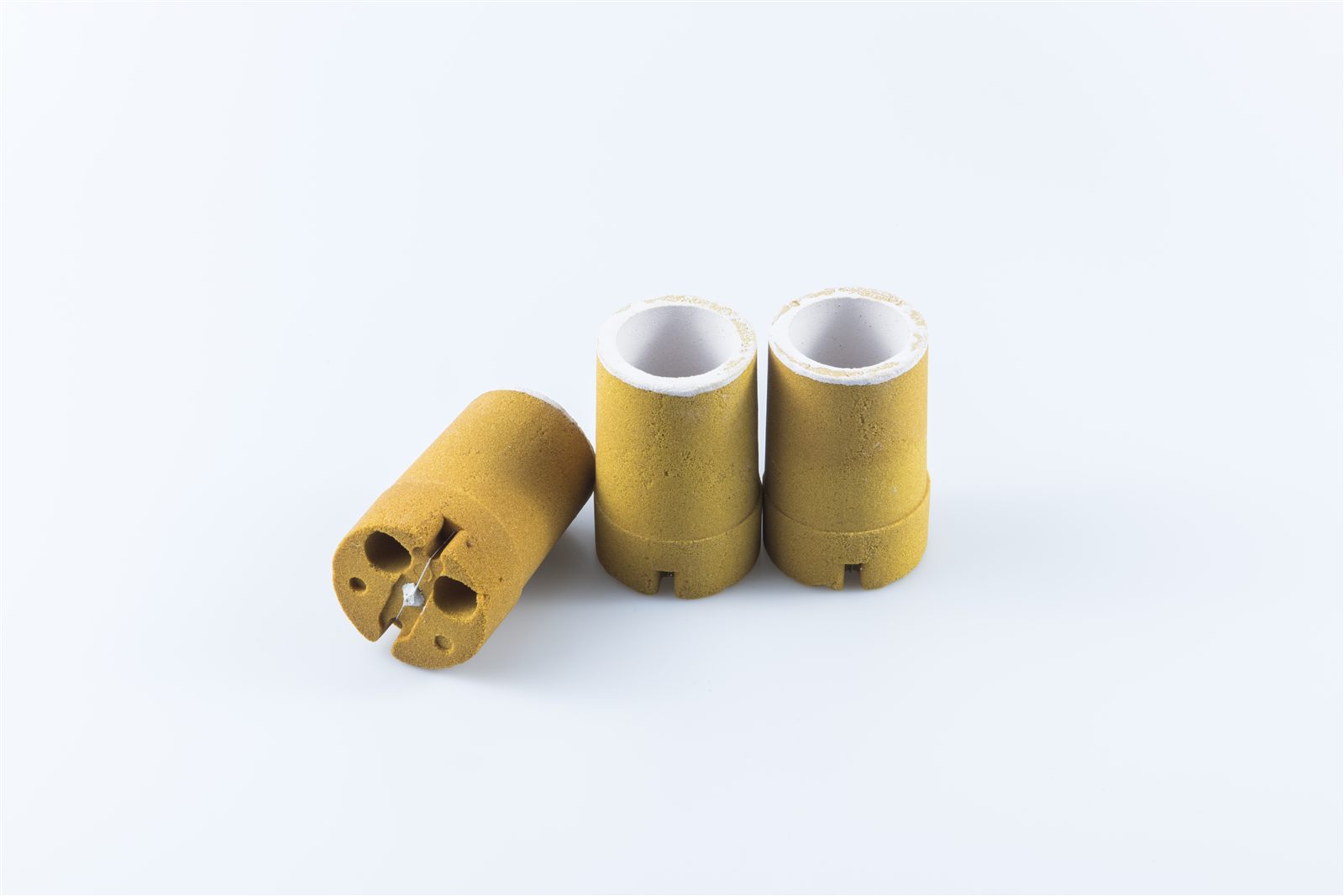
Besides nodulizer, foundries add almost every heat another material — inoculant. Nodulizing controls graphite shape; inoculation controls graphite fineness. Together they deliver ideal structure and properties.
What Inoculation Does
Adding a small amount of inoculant (mainly FeSi, often with Ba/Sr/Ca) before pouring provides crystallization nuclei, making graphite and eutectic cells finer and more uniform.
- Finer graphite and denser matrix
- Less chill — suppresses cementite in thin sections
- Higher tensile strength
- Better machinability — fewer hard spots
- Lower section sensitivity
Choosing Inoculant
- FeSi75: basic, for gray iron
- Ba-FeSi: strong fade resistance, long hold times
- Sr-FeSi: excellent gray iron graphite refinement without chill increase
- Ca-FeSi: strong, for ductile secondary inoculation
- Composite: Si+Ba+Sr+Ca, all-around
Dosage and Timing
Typically 0.1%~0.4% of iron weight. Too much raises Si; too little is ineffective. Inoculation fades within ~10 minutes — hence multiple additions: some at tapping, some stream-inoculated at pouring.
Temperature Relationship
Inoculant needs proper temperature to dissolve: too low = incomplete; too high = burn-off and faster fade. Ideal ~1400~1500°C. Measure before and after — standard practice like nodulizing.
Summary
Inoculation is the performance switch of cast iron. Its effect hinges on temperature, dosage and timing — and front-line measurement remains the premise.