
Heat Treatment Basics: Annealing, Normalizing, Quenching, Tempering
In heat treatment shops, the same steel enters the furnace and comes out with wildly different properties — soft enough to bend, or hard enough to scratch glass. The magic: four basic processes.
Annealing
Heat above critical, hold, furnace cool. Near-equilibrium structure, low hardness, good plasticity, stress relieved. Use: soften for machining, relieve stress, prepare for later treatment.
Normalizing
Heat above AC3, hold, air cool. Finer structure (refined pearlite), slightly higher strength/hardness than annealed. Use: refine grains, improve properties, eliminate Widmanstätten structure. Faster than annealing — more common in production.
Quenching
Heat above critical, hold, rapid cool (water/oil). Martensite — hard but brittle, HRC 60+. Use: hardness and wear resistance. Never used directly due to stress and brittleness.
Tempering
Reheat below critical (150~650°C) after quenching, hold, cool. Martensite decomposes: hardness down slightly, toughness up, stress relieved. Low-temp (150~250°C): tools. Medium (350~500°C): springs. High (500~650°C): shafts, gears. Quench + temper = quench-tempering.
Quick Table
| Process | Cooling | Structure | Property | Goal |
|---|---|---|---|---|
| Annealing | Furnace | Equilibrium | Soft | Soften, stress |
| Normalizing | Air | Fine pearlite | Medium | Refine |
| Quenching | Water/oil | Martensite | Hard | Hardness |
| Tempering | Varies | Tempered | Tough | Stress, toughness |
Temperature's Role
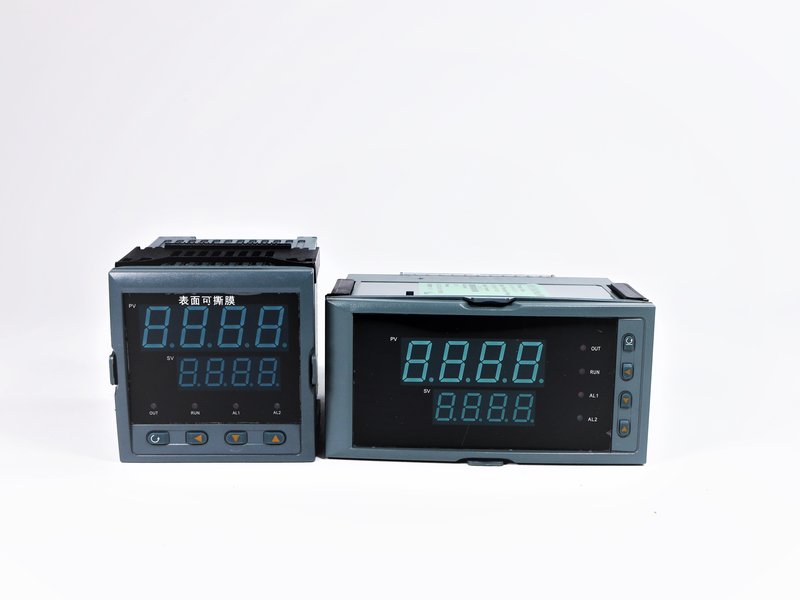
Heat treatment is a temperature process — 10°C can change the structure. Furnace thermocouples + controllers, periodic calibration, are hard guarantees of quality.
Summary
Annealing softens, normalizing refines, quenching hardens, tempering toughens — all are temperature × time structure control. Measure and control temperature accurately, and heat treatment quality is mostly secured.